
Programs
Our Programs
GAAS Africa's programs are designed to address the social and environmental challenges facing African communities. Each program combines a clear objective with practical components and measurable impact.

1. Youth Empowerment and Skills Training Program
Objective: To equip young people with the skills and knowledge necessary for personal and professional development, fostering a generation of empowered and self-sufficient individuals.
Components
Impact
Empowered youth with practical skills and entrepreneurial knowledge, leading to reduced unemployment and poverty levels in the community.
2. Inclusive Education Program
Objective: To ensure access to quality education for all children, including those with disabilities, in African communities.
Components
Impact
Increased enrollment and retention of children with disabilities in schools, improved educational outcomes, and heightened community awareness of inclusivity.


3. Community Tree Planting and Reforestation Project
Objective: To combat deforestation and climate change by planting trees and restoring degraded lands in African communities.
Components
Impact
Increased forest cover, improved local biodiversity, and heightened community engagement in environmental conservation.
4. Clean Water and Sanitation Initiative
Objective: To provide access to clean water and improved sanitation facilities in underserved communities.
Components
Impact
Enhanced public health through access to clean water and sanitation, reduced waterborne diseases, and increased awareness of hygiene practices.

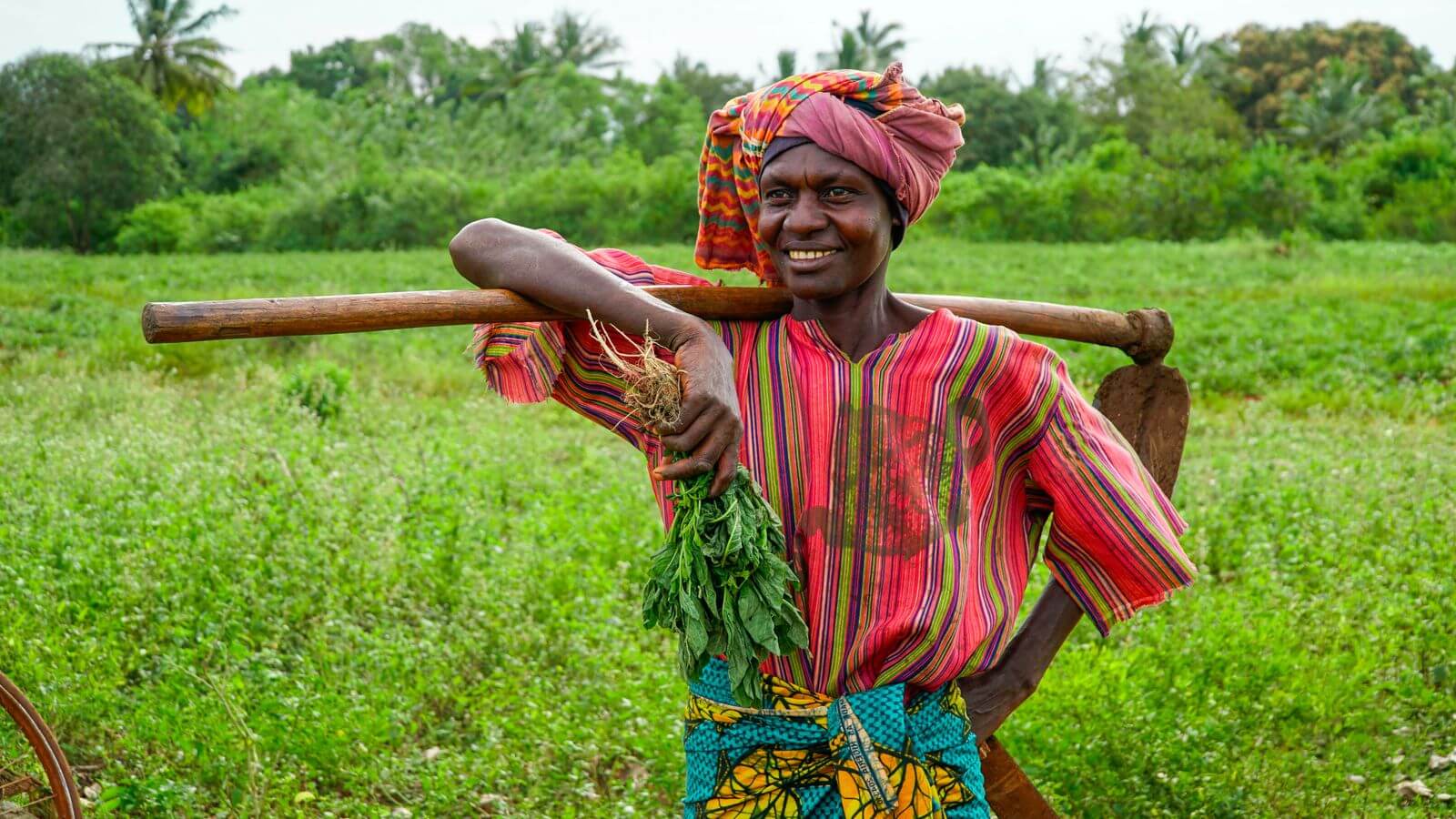
5. Sustainable Agriculture Program
Objective: To promote environmentally friendly farming practices that increase food security and protect natural resources.
Components
Impact
Improved agricultural productivity, increased food security, and reduced environmental degradation through sustainable farming practices.
6. Cultural Heritage Preservation Project
Objective: To preserve and promote the rich cultural heritage of African communities through education and cultural activities.
Components
Impact
Strengthened cultural identity, increased community pride, and the preservation of cultural heritage for future generations.


7. Community Infrastructure Development Program
Objective: To improve the quality of life in African communities by developing essential infrastructure.
Components
Impact
Enhanced community development, improved access to essential services, and increased opportunities for economic growth and social interaction.
Looking for our flagship programme?
Sustainable Agenda Promotion (SAP 17) is our flagship program – 17 interconnected sub-programs, one for each Sustainable Development Goal, free for anyone to enrol.
Explore SAP 17